WHAT WE DO
Clean-energy solutions designed around real industrial needs.
The transition to lower-carbon industry requires solutions that work technically, commercially and operationally. SustRoute Energy develops project pathways by connecting clean-energy technologies with the requirements of real industrial applications.
OUR FOCUS
Connecting energy technologies with practical industrial applications.
Our work is organised around three complementary areas that address different parts of the industrial energy transition.
Green Hydrogen
Developing renewable-hydrogen opportunities for industrial applications by connecting renewable electricity, electrolysis and hydrogen infrastructure with credible end-use demand.
Explore Green HydrogenRenewable Energy Integration
Evaluating renewable-power strategies and configurations that support reliable, competitive and progressively lower-carbon industrial operations.
Explore Renewable EnergyIndustrial Decarbonization
Assessing practical pathways to reduce industrial emissions through clean electricity, green hydrogen, efficiency improvements, process changes and other appropriate low-carbon solutions.
Explore Industrial Decarbonization
GREEN HYDROGEN
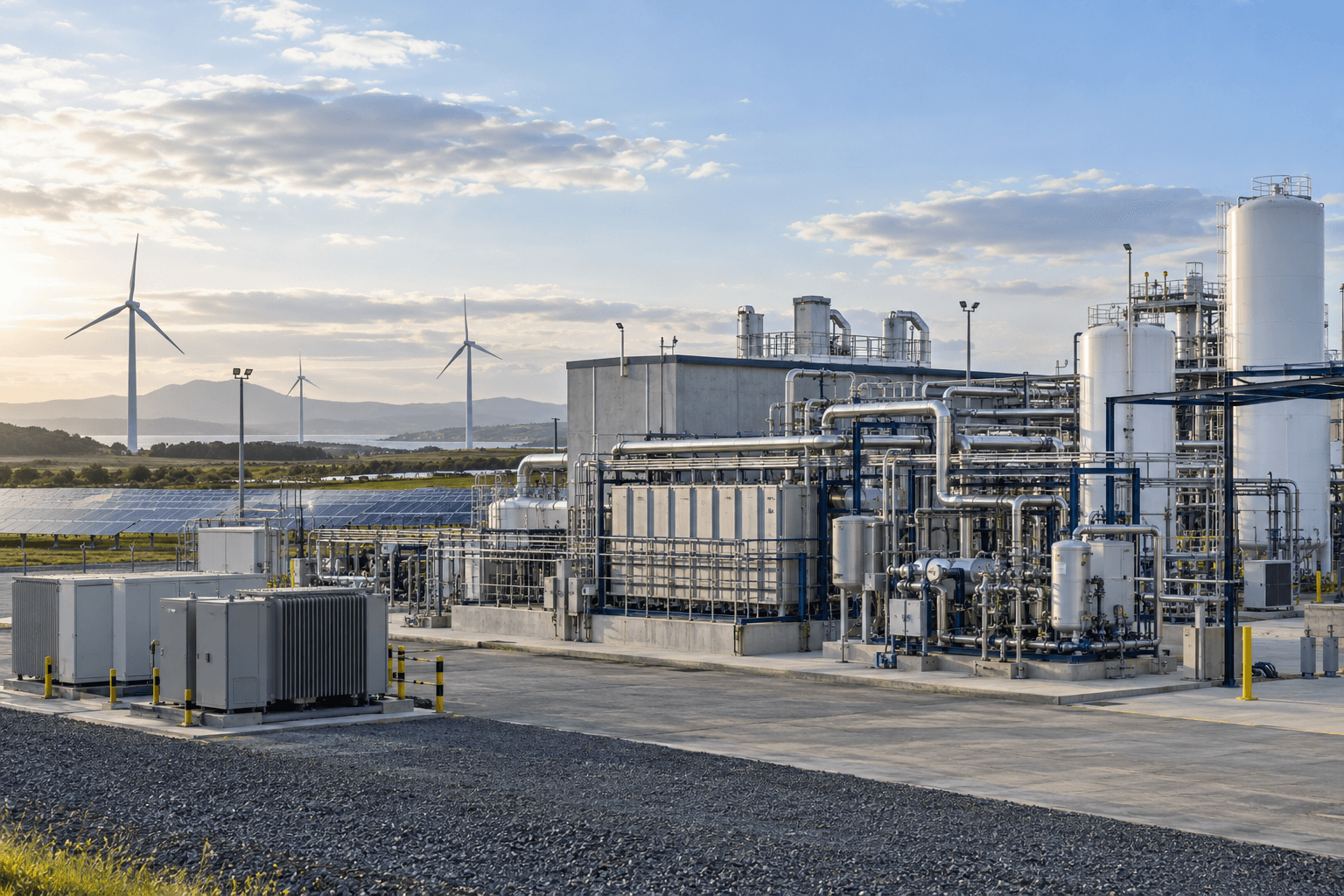
Developing hydrogen projects around real industrial demand.
Green hydrogen can play an important role in industrial decarbonization where hydrogen is already used as a process input or where direct electrification may be difficult.
Our approach starts with the end use and works backwards through renewable-power supply, electrolysis, water, hydrogen conditioning, storage, infrastructure, safety, economics and project-development requirements.
Demand Assessment
Understand the industrial application, hydrogen requirement, operating profile and practical conditions that shape the project.
Renewable-Power Integration
Evaluate renewable-electricity supply options, operating profiles and the relationship between power availability and hydrogen production.
Technology Evaluation
Assess electrolysis technology, system configuration and balance-of-plant requirements against project-specific technical and commercial needs.
Water & Hydrogen Infrastructure
Consider water treatment, hydrogen purification, compression, storage and the infrastructure required to connect production with industrial use.
Safety & Regulatory Planning
Integrate safety, permitting, applicable standards and regulatory requirements into the project-development pathway.
Techno-Economic & Sustainability Assessment
Evaluate project economics alongside environmental, economic and social considerations to support informed development decisions.
Offtake & Project Development
Connect technical development with industrial demand, commercial structuring, partnerships, financing preparation and implementation planning.
RENEWABLE ENERGY INTEGRATION
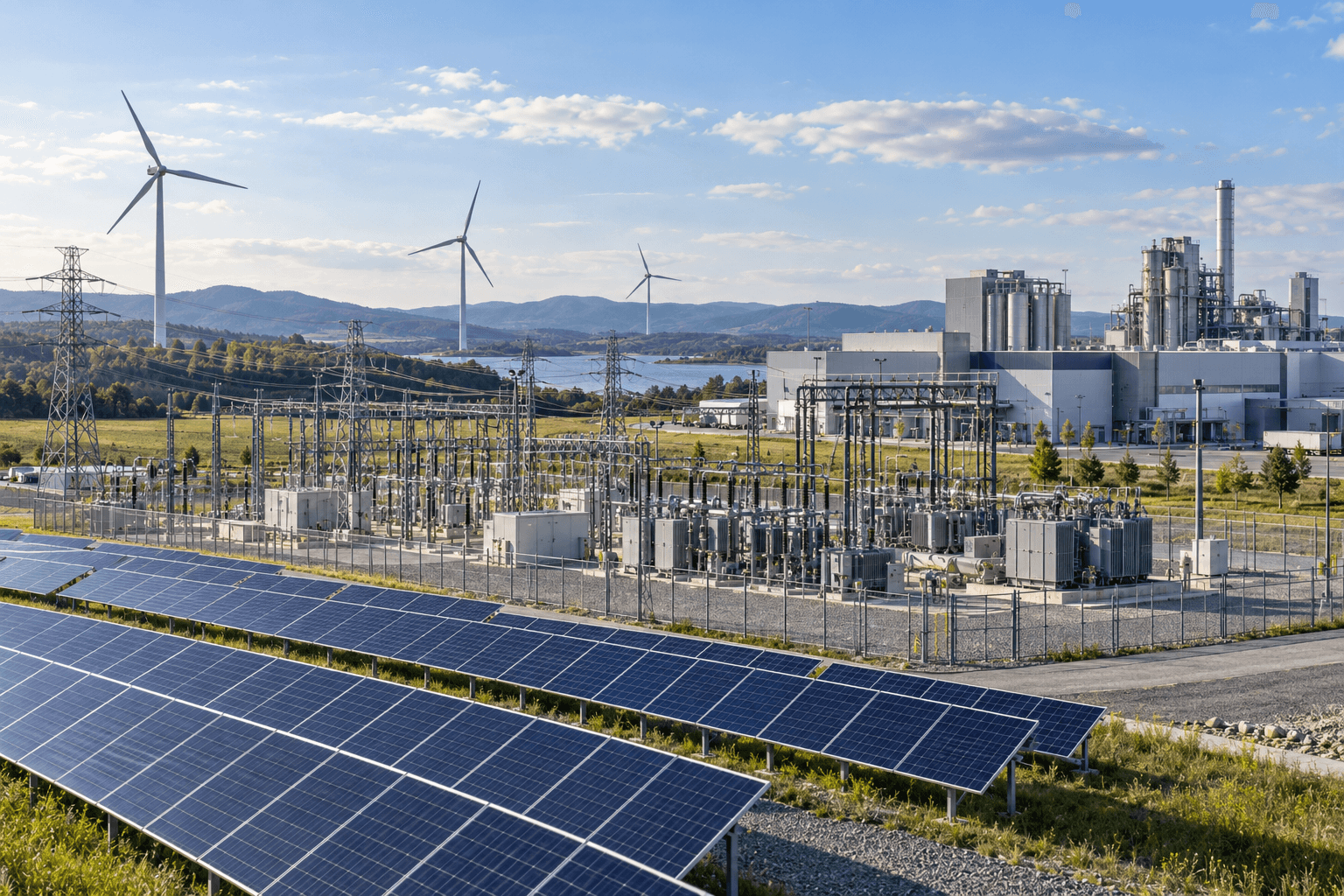
Connecting renewable power with industrial energy requirements.
Renewable electricity is a critical foundation for industrial decarbonization, but effective integration depends on more than installed generation capacity.
We evaluate how renewable resources, power-supply structures, industrial demand profiles, grid conditions and energy-conversion requirements can be brought together to support reliable and commercially relevant clean-energy systems.
Energy Demand & Load Profile
Understand the scale, timing and operating characteristics of electricity demand to define the requirements of the renewable-power strategy.
Renewable Resource & Supply Options
Assess appropriate renewable-energy sources and supply options in relation to resource availability, location, operating needs and project objectives.
Power Configuration & Matching
Evaluate how renewable generation, grid electricity and other appropriate power sources can be configured to align supply with industrial demand.
Grid & Infrastructure Considerations
Consider grid connectivity, transmission requirements, electrical infrastructure and other practical constraints that influence project development.
Power Procurement Strategy
Assess suitable pathways for securing renewable electricity, including applicable procurement structures and long-term supply arrangements.
Integration with Industrial Systems
Connect the renewable-power strategy with industrial operations, electrification opportunities, hydrogen production and other relevant clean-energy applications.
INDUSTRIAL DECARBONIZATION
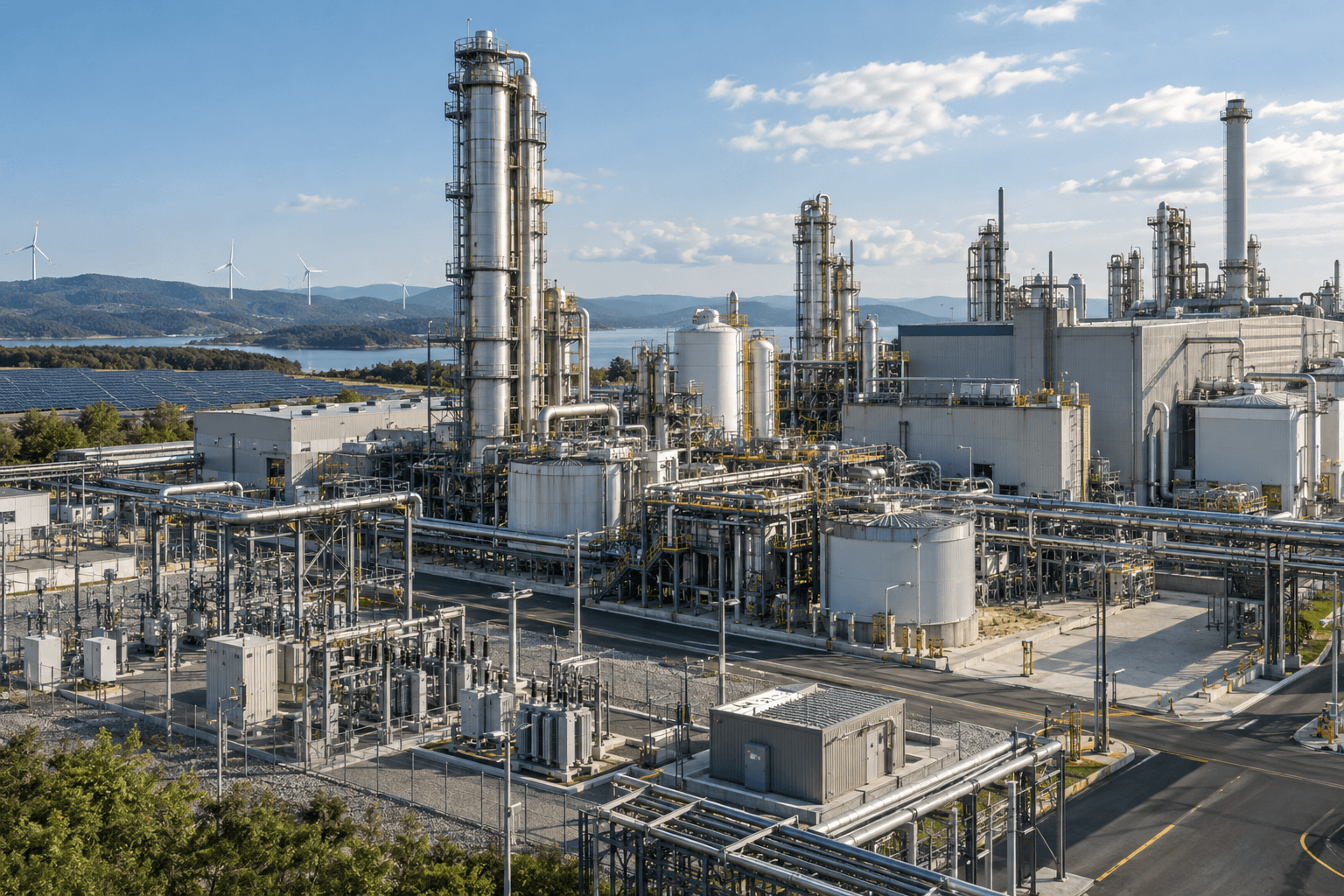
Building practical pathways toward lower-carbon industry.
Industrial decarbonization rarely depends on a single technology. The appropriate pathway is shaped by the process, energy demand, infrastructure, resources, economics and operating requirements of each application.
We assess where emissions can be reduced and how clean electricity, green hydrogen, efficiency improvements, process changes and other suitable low-carbon solutions can be combined into a practical transition pathway.
UNDERSTAND
Baseline & Priorities
Understand the relevant energy uses, process requirements and emissions sources to identify where decarbonization efforts can have the greatest practical value.
Electrification Opportunities
Assess where direct electrification and cleaner electricity can replace or reduce the use of more carbon-intensive energy sources.
EVALUATE
Hydrogen & Alternative Energy Carriers
Evaluate where green hydrogen or other suitable low-carbon energy carriers may support processes that are difficult to electrify directly.
Efficiency & Process Improvement
Identify opportunities to reduce energy and resource demand through efficiency measures, operating improvements and appropriate process changes.
INTEGRATE
Technology & System Integration
Compare suitable technology options and assess how they can be integrated with existing industrial systems, infrastructure and operating requirements.
Transition Pathway Development
Bring technical, commercial and sustainability considerations together into a structured pathway that can support phased implementation and future development.
INTEGRATED DEVELOPMENT APPROACH
Bringing technical, commercial and sustainability considerations together.
Clean-energy opportunities become stronger when technology choices, industrial requirements, project economics and sustainability are considered as part of the same development process.
Industrial Context
Start with the application, operating requirements, infrastructure and practical constraints that define the project need.
Technology & System Design
Evaluate suitable technologies and system configurations against technical performance, integration requirements and project conditions.
Commercial & Sustainability Assessment
Consider economics, commercial structure and environmental, economic and social performance alongside technical development.
Implementation Pathway
Translate the preferred concept into a structured route for partnerships, permitting, financing preparation, implementation and future scale-up.
WORK WITH SUSTROUTE
Exploring a clean-energy opportunity for your industrial operations?
Whether the opportunity involves green hydrogen, renewable energy or a broader industrial decarbonization pathway, SustRoute Energy can help assess the technical, commercial and sustainability considerations that shape project development.